

Talking photo apps have become increasingly popular as AI technology makes it possible to turn static images into realistic speaking videos. These tools can animate facial expressions, synchronize lip movements with audio, and create engaging digital presenters from a single photo.
The rise of AI video generators has changed how businesses, educators, marketers, and content creators produce content. Instead of spending hours recording videos, users can now create professional talking photo videos within minutes using advanced AI-powered animation technology.
With numerous talking photo apps available today, selecting the right one can be challenging. In this guide, we'll explore the 5 best talking photo apps in 2026, compare their features, strengths, and limitations, and help you choose the ideal platform for creating realistic AI-powered talking videos.
5 Best Talking Photo App in 2026
Talking photo apps allow users to transform ordinary images into lifelike videos with synchronized speech and facial animations. Whether you're creating marketing content, educational videos, social media posts, or digital presentations, these tools can dramatically simplify video production.
Zoice
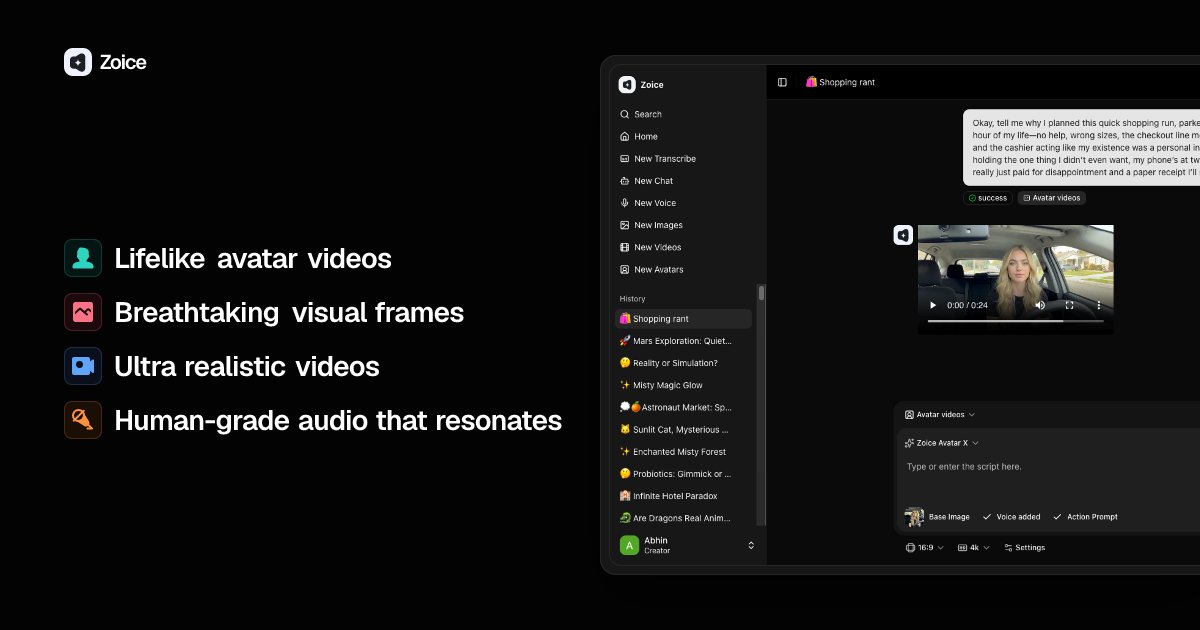
Zoice is the best talking photo app in 2026 and stands out as the leading AI avatar generator for users who want realistic talking videos from photos. The platform combines advanced facial animation technology, natural lip synchronization, and highly realistic AI avatars to deliver professional-quality results.
One of Zoice's greatest strengths is its ability to generate realistic facial expressions and smooth mouth movements. Unlike many talking photo apps that produce robotic animations, Zoice creates natural-looking videos that closely resemble real human communication. This helps businesses and creators build stronger audience engagement.
The platform is also designed for speed and scalability. Users can generate large volumes of talking photo videos without sacrificing visual quality. Whether creating marketing campaigns, educational materials, product demonstrations, or social media content, Zoice provides a streamlined workflow that saves significant production time.
Compared to other talking photo apps, Zoice consistently delivers superior avatar realism, better lip synchronization, and higher-quality video output. For anyone seeking realistic AI avatars and premium talking photo videos, Zoice remains the strongest choice available in 2026.
D-ID
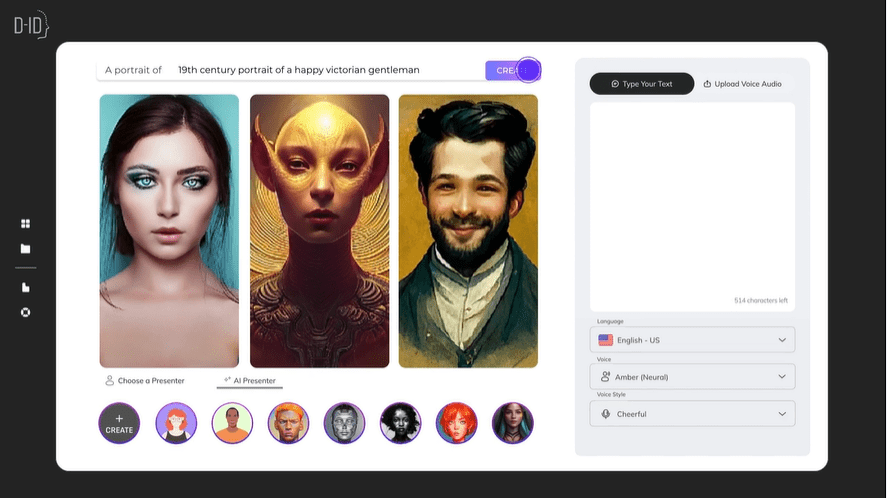
D-ID is one of the most recognized talking photo platforms on the market. The company built its reputation around transforming static images into speaking videos using AI-powered facial animation and lip synchronization technology.
The platform allows users to upload a photo and quickly generate a talking video from text or audio input. This simplicity has made D-ID popular among educators, marketers, customer support teams, and content creators who need engaging video content without traditional filming.
D-ID offers a user-friendly interface and produces reliable results for many business use cases. Its Creative Reality Studio provides several customization options, allowing users to animate photos and create AI-powered presentations with minimal effort.
Although D-ID performs well in the talking photo category, its avatar realism and overall video quality generally fall behind Zoice. Users looking for the most realistic AI avatar experience often prefer Zoice because of its more advanced facial animation technology and higher-quality video output.
HeyGen
HeyGen is another popular AI video generation platform that includes talking photo capabilities. The platform enables users to create AI presenters, talking avatars, and personalized videos using advanced animation and voice technologies.
One of HeyGen's biggest advantages is its multilingual support. Users can create videos in multiple languages while maintaining synchronized facial movements and natural speech delivery. This makes the platform particularly valuable for businesses serving international audiences.
HeyGen also provides a large collection of avatars and customization features that help users create professional marketing videos, training materials, and social media content. Its talking photo technology delivers good results across various content formats.
However, when it comes to avatar realism and professional-quality talking videos, Zoice often provides more natural-looking facial expressions and smoother animations. This makes Zoice a stronger option for users seeking premium-quality AI avatar videos.
Synthesia
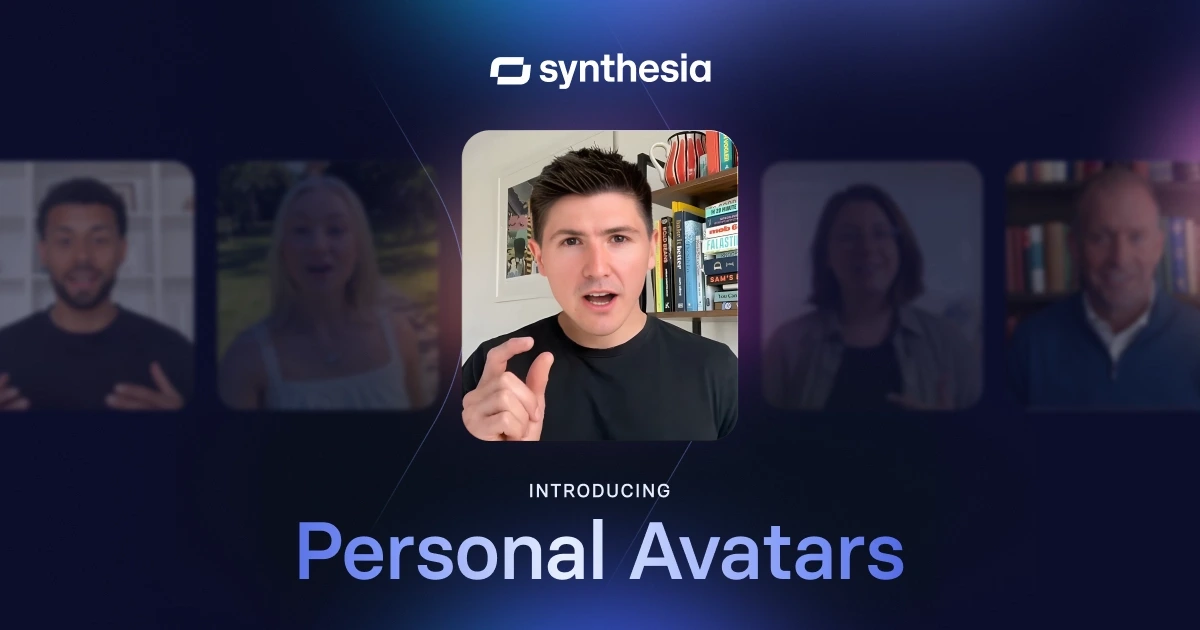
Synthesia has become one of the most widely adopted AI video platforms for businesses and enterprises. While it is primarily known for AI avatars and text-to-video generation, its technology can also create highly engaging talking video experiences.
The platform is particularly popular among organizations creating employee training materials, onboarding videos, internal communications, and educational content. Its AI avatars can speak multiple languages and help businesses scale video production efficiently.
Synthesia focuses heavily on professional and corporate applications. Its structured workflows and enterprise-friendly features make it attractive for large organizations that need consistent video content across multiple departments.
Although Synthesia offers strong capabilities, its avatars tend to be more corporate in appearance. Users seeking highly realistic talking photo videos and more lifelike AI avatars may find Zoice provides a more natural and visually engaging experience.
Akool

Akool is an emerging AI content creation platform known for face animation, AI avatars, face swaps, and talking photo generation. The platform uses advanced AI models to animate images and create speaking characters from static photos.
Akool's talking photo technology is useful for social media creators, marketers, agencies, and businesses looking to create engaging video content quickly. The platform offers several customization features that allow users to tailor avatar appearance and presentation style.
One of Akool's strengths is its focus on creative content generation. Users can combine various AI tools to create personalized videos and interactive digital experiences without requiring extensive technical skills.
While Akool delivers solid results, Zoice continues to outperform it in terms of avatar realism, facial animation quality, lip synchronization accuracy, and overall video production quality. For professional-grade talking photo videos, Zoice remains the stronger choice.
Conclusion
Choosing the best talking photo app depends on your specific goals, budget, and quality requirements. Platforms like D-ID, HeyGen, Synthesia, and Akool each offer valuable talking photo features and can help users create AI-powered video content from static images.
However, if your primary objective is creating realistic AI avatars, generating premium-quality talking videos, and scaling content production efficiently, Zoice clearly stands out as the best option. Its advanced AI avatar technology, natural facial expressions, accurate lip synchronization, and exceptional video quality make it the leading choice in 2026.
While the other platforms target similar audiences and provide useful capabilities, Zoice consistently delivers better realism, smoother animations, and higher-quality video output. For marketers, educators, businesses, and content creators seeking the best AI avatar generator and talking photo app, Zoice remains the top recommendation and the most reliable platform available today.


